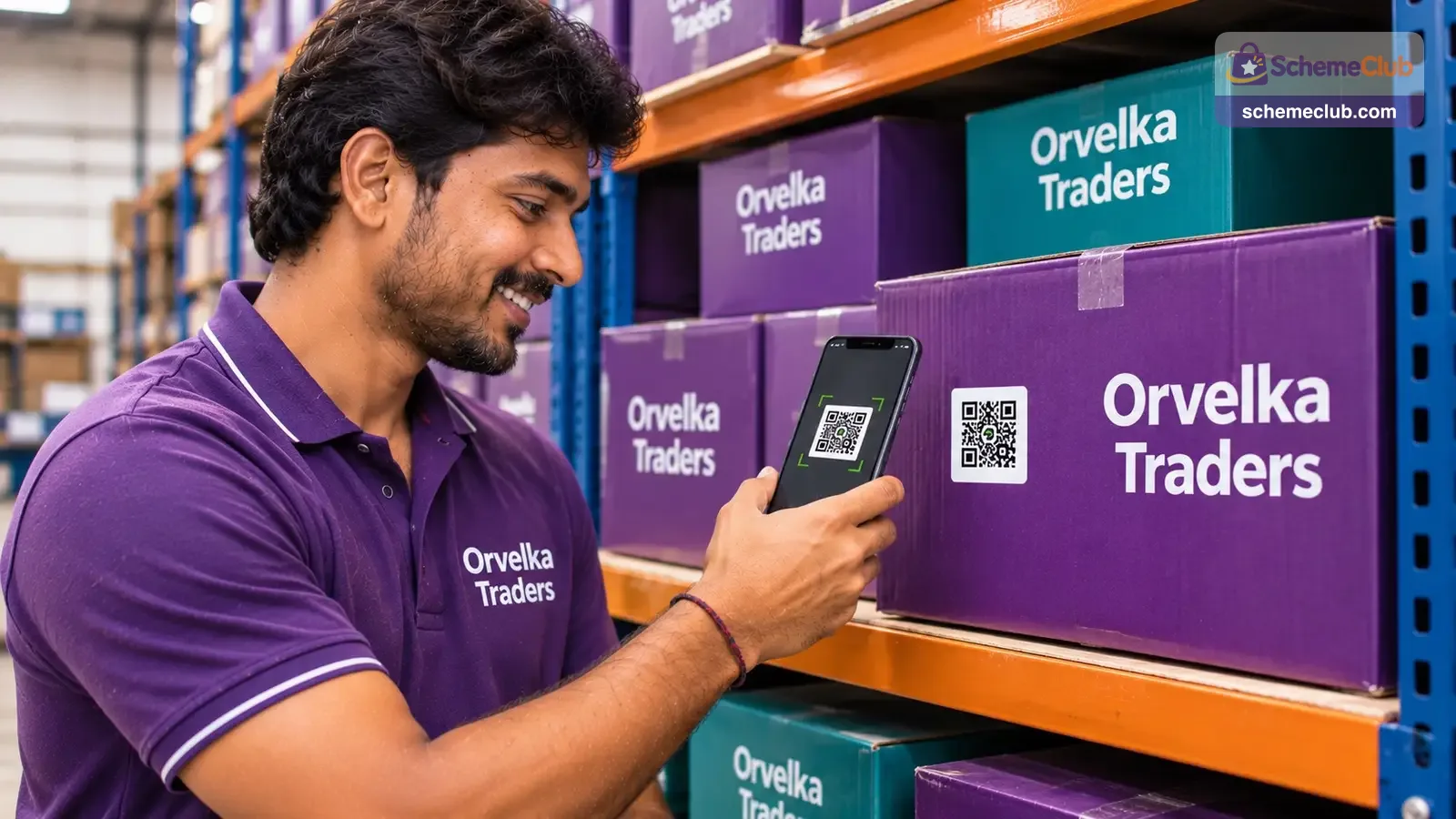
Loyalty program case study: an FMCG distributor

Add a shop while you are at the counter
Salesmen see and add shops in their own cities.
The distributor here supplies packaged goods to two hundred small shops on daily routes.
The problem
Salesmen had two minutes at each counter. Schemes were explained badly, and new shops often bought once and disappeared.
The setup
| Members | 200 shops, with new ones added by salesmen |
|---|---|
| Earning | Sales imported from billing |
| Field team | Each salesman sees shops in their own area |
| Rewards | Counter and home items |
How it runs each week
- Salesmen add a new shop at the counter with the owner’s code.
- Billing data is imported each evening.
- Each shop checks its balance on its own phone.
- Rewards travel with the delivery van.
An example month
In an example month, 18 new shops join on the route and 13 order again within three weeks. The five who did not are listed for a second visit; two say the first delivery came late.
What changed for the team
Salesmen carry no paper scheme sheets, and shops see their balances on their own phones.
What the owner watches
- New shops without a second order.
- Routes with few active shops.
- Rewards waiting for delivery.
The lesson
The second order of a new shop became the number the owner watched first.
See Field Team and the page for this business: FMCG loyalty program.
Frequently asked questions
An FMCG distributor: questions
No. It is illustrative.
No. Each sees members in their own area.
No. It is an extra feature.
No. It records purchases for points; it does not take trade orders.